Among trees
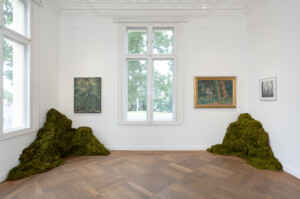
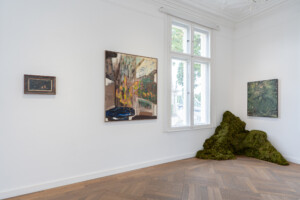
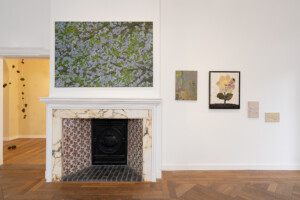
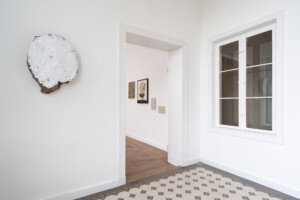
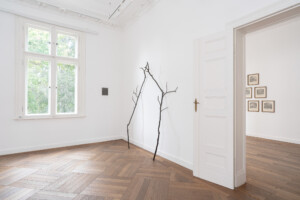
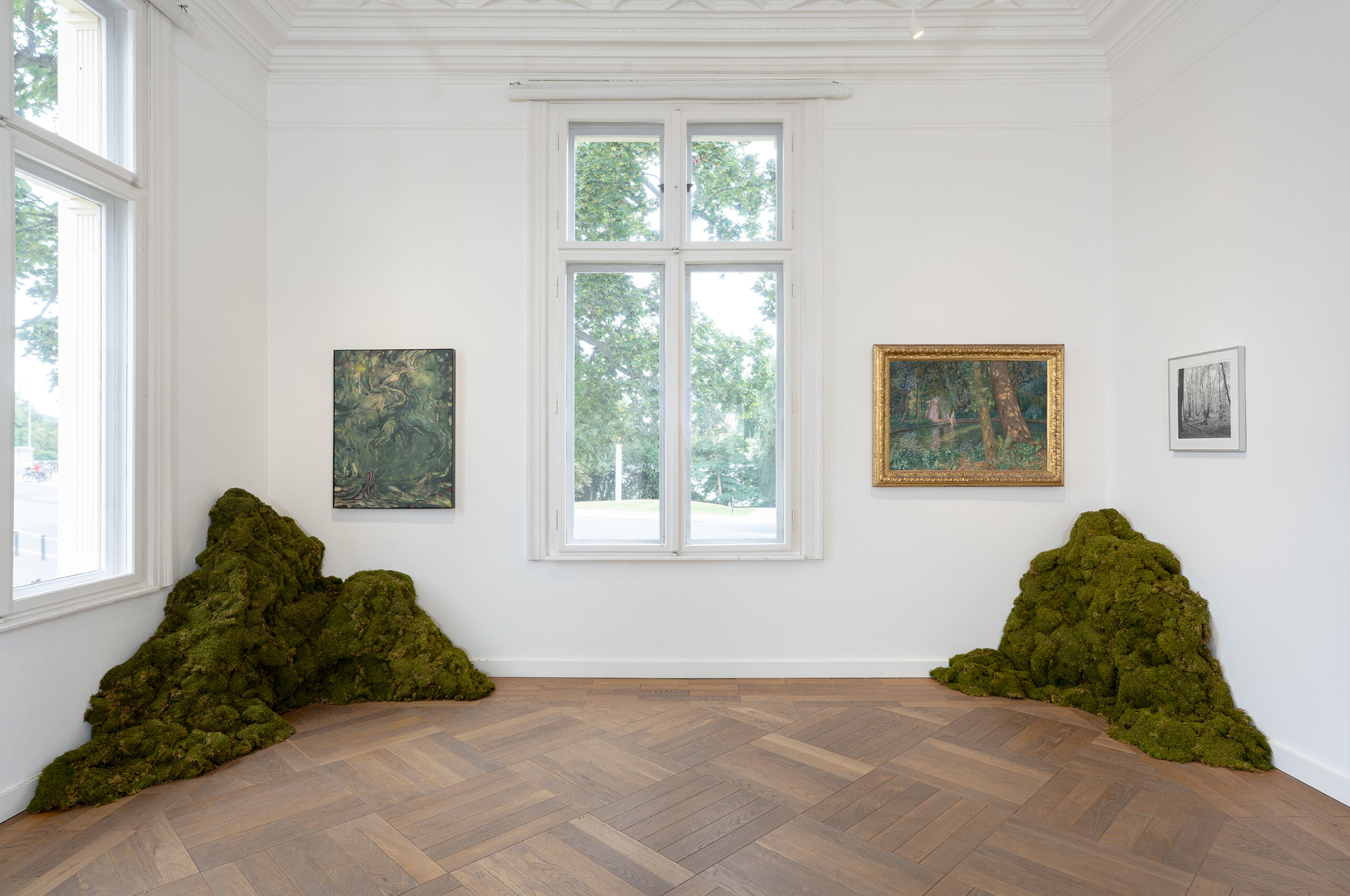
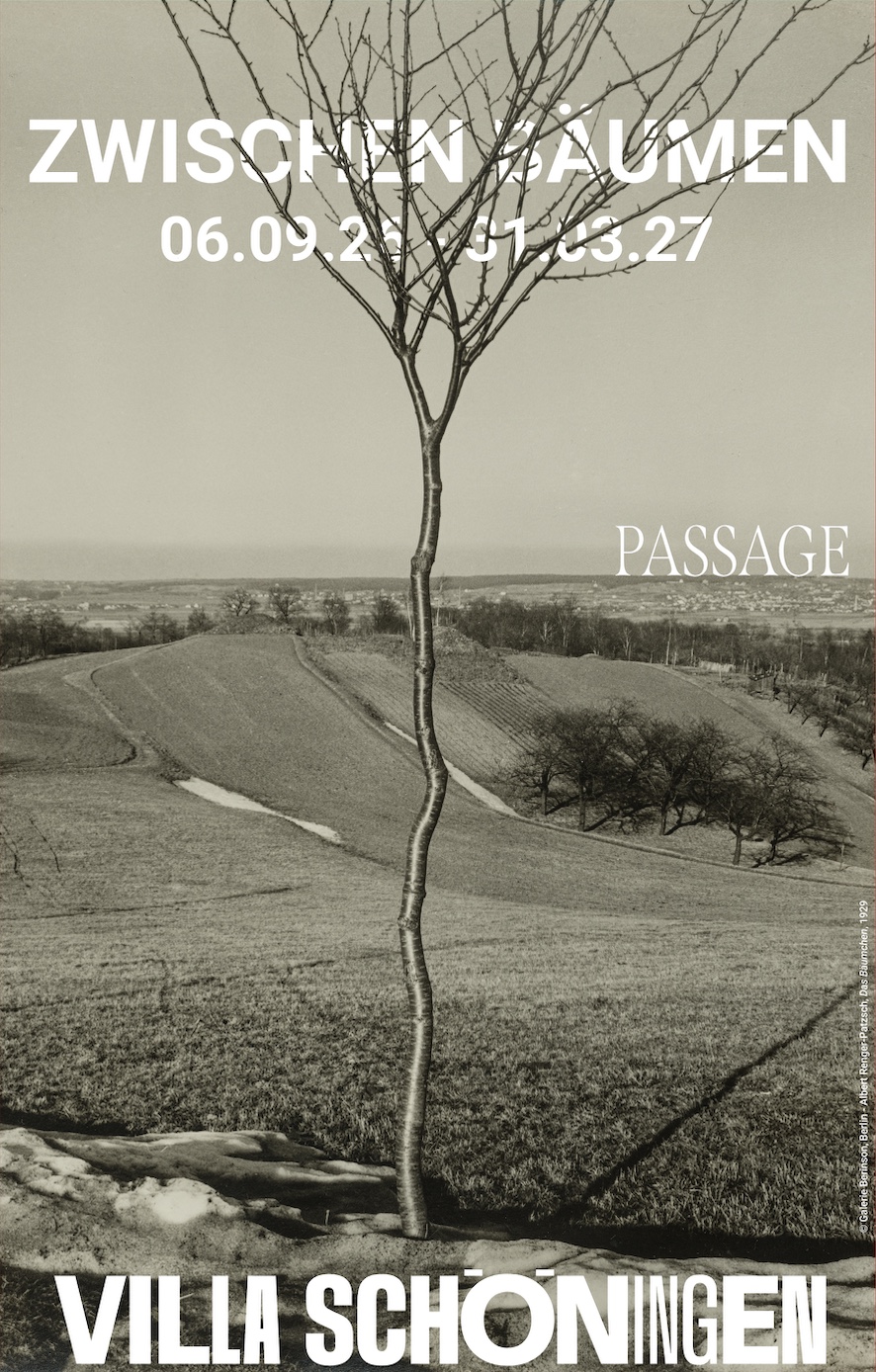
From 6 September 2026 onwards, Villa Schöningen will present the exhibition Among Trees in collaboration with PASSAGE. The exhibition will bring together around 90 works by more than 60 international artists from three centuries, exploring the forest as a motif, a meaningful space, and a cultural projection surface. Historical paintings, drawings and photographs will be displayed alongside contemporary sculptures, installations and paintings. The exhibition has been curated by Victor Auberjonois.
By inviting Victor Auberjonois, Villa Schöningen is opening up its programme to a new perspective. The exhibition presents works by international contemporary artists alongside pieces from the Döpfner Collection and notable historical loans. This openness to different curatorial approaches, alongside a dialogic engagement with the collection, aligns with Villa Schöningen’s guiding principle of viewing art history as a living body of work that can be reinterpreted with each generation.
The theme of the forest is closely linked to the location itself. Nestled within Potsdam’s park landscape, designed by Peter Joseph Lenné and Gustav Meyer, Villa Schöningen is located in one of Europe’s most significant historic cultural landscapes. In the 19th century, the architecture and gardens were designed as a coherent whole, organised around visual axes. Even before visitors enter the exhibition, they are moving through a landscape that, for almost two hundred years, has told the story of how humans organise, stage and perceive nature. Therefore, Among Trees begins not in the exhibition rooms, but in the park of Villa Schöningen.
Hardly any other motif has featured so consistently in art history as the forest. Its significance has evolved alongside social perceptions over time. In the early modern period it appeared as the setting for biblical and mythological narratives. Since the 19th century, it has been regarded as a work of art in its own right. In Germany, it has been closely linked to the growing national myth, industrialisation, rural exodus, and an increasing sense of alienation from nature.
The Romantic era brought a new conception of nature: the forest became a place of recollection and a landscape of longing. It was no longer just an idyll, but a utopian ideal and a collective canvas for projection. In the work of Carl Spitzweg in particular, it appears as a primeval, wild space populated by nymphs, lovers, dwarves and philosophers. In the Brothers Grimm‘s fairy tales, the forest is depicted as an enchanted place of mystery and secrecy. Evoking a sense of unease and fascination, it is portrayed as an overwhelming natural realm, hidden deep within the thicket – a place one would prefer to avoid.
In the work of Narcisse Díaz de la Peña, a leading figure of the Barbizon School, we also see gnarled trees and dense woodland scenes. Unlike the painters of his time, who depicted idealised landscapes, Díaz de la Peña and his contemporaries painted selective views of nature that made an impact through light, atmosphere and direct experience. These landscapes, painted en plein air, laid the foundations for later Impressionist woodland scenes. Max Liebermann, for example, depicted the Grunewald as a counterpoint to the cramped bourgeois city, rendering it in radiant colours with deliberately emphasised light and shadow effects. The evenly arranged spruce trunks allude to the cultivation of the forest and thus contrast sharply with the Romantic notion of untouched wilderness.
Albert Renger-Patzsch‘s objective photographs depict rows of slender tree trunks, presenting the landscape as cultivated nature without any mythological references, in a deliberately cool visual language. We are no longer moving through a pre-industrial landscape, but a modern, rationalised one. Nevertheless, our conception of the forest is still shaped today by Spitzweg’s fairy-tale images and the aesthetic and symbolic ideas of Romanticism.
Contemporary approaches build on these art-historical traditions and expand them to include new questions. Forests and trees are no longer seen merely as landscape motifs or romantic symbols, but as living organisms, witnesses to history and key players in complex ecological systems. Artists such as Alicja Kwade, Julius von Bismarck and Michael Sailstorfer examine the relationship between humans and nature, as well as notions of time, materiality and memory.
Historical and contemporary works come together in Among Trees as part of an ongoing dialogue. Spanning three centuries, the exhibition illustrates how our perceptions of nature have evolved, showcasing the unique images of the forest produced by each era. Today, and certainly since the widespread forest die-off of the 1980s, the forest is viewed as a symbol of climate change and a vulnerable ecological space. At the same time, however, the Romantic image of the forest as a place of contemplation and longing remains in our collective consciousness. Bearing this tension in mind, our perception of the forest as a natural space is undergoing a fundamental shift: the forest is suddenly telling us more about our relationship with nature than nature itself.
Among Trees invites visitors to experience the interplay between art, landscape, history, culture and nature at their own pace. Ultimately, the exhibition poses a question that extends beyond its own boundaries: if every era gives rise to its own conception of the forest, what image of the forest will we leave behind for future generations?
Curator
Victor Auberjonois
Production
Passage Art
Hans Bellmer
Sibylle Bergemann
Julius von Bismarck
Anna & Bernhard Blume
Theo Champion
Etienne Chambaud
Srijon Chowdhury
Francesco Cima
Otto Coenen
Anner Cohen
Gustave Courbet
Richie Culver
Leonardo Devito
Narcisso Virgilio Díaz de la Peña
Martin Disteli
Mischa Fanghaenel
Helen Flockhart
Kyler Garrison
Elizabeth Glaessner
Lisa Götze
David Hanes
Thomas Theodor Heine
Julien Heintz
Zachary Hertzman
Leiko Ikemura
Alexander Iskin
Lilo Klinkenberg
Sol Kordich
Alicja Kwade
Chunkook Lee
Max Liebermann
Harry Hugo Little
Adelchi-Riccardo Mantovani
Jonathan Monk
Pedro Moraes
Hugo Muhling
Teresa Murta
Marcus Nelson
Bettina Pousttchi
Irving Ramo
Albert Renger-Patzsch
Makabe Rikuji
Ilse Salberg
Michael Sailstorfer
Friedrich von Schennis
Richard Scholz
Ivan Seal
Johannes Seluga
Setsuko
Anastasia Shivrina
Timur Si-Qin
Dash Snow
Carl Spitzweg
Bernard Tullen
Julius Tutsch
Martin Voigt
Konrad Weichs
Jan Eustachy Wolski
Heinrich Wrede
Dennis Miranda Zamorano
Marco Zebrowski
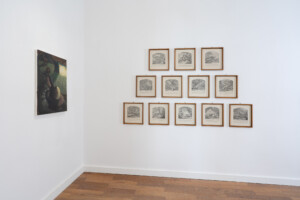
 Irving Ramó, You Can’t Have What I Become – Daphne,
2026, O�l auf Leinwand/ Oil on Canvas, Thomas
Theodor Heine, Bad im Park, 1911, O�l auf Leinwand/
Oil on Canvas, Courtesy Döpfner Collection, Heinrich
von Wrede, Spaziergang, Sassnitz/Rügen, 2025,
Silbergelatine-Abzug auf Barytpapier/ Gelatin silver on
baryta paper © Villa Schöningen. Foto: Sascha
Herrmann, 2026.
Irving Ramó, You Can’t Have What I Become – Daphne,
2026, O�l auf Leinwand/ Oil on Canvas, Thomas
Theodor Heine, Bad im Park, 1911, O�l auf Leinwand/
Oil on Canvas, Courtesy Döpfner Collection, Heinrich
von Wrede, Spaziergang, Sassnitz/Rügen, 2025,
Silbergelatine-Abzug auf Barytpapier/ Gelatin silver on
baryta paper © Villa Schöningen. Foto: Sascha
Herrmann, 2026.
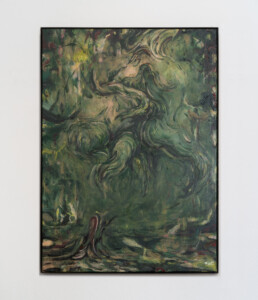
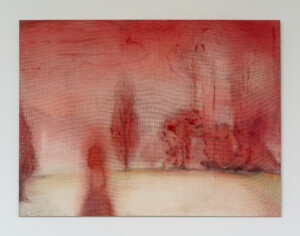
 Irving Ramó, You Can’t Have What I Become – Daphne,
2026, Öl auf Leinwand/ Oil on Canvas
© Villa Schöningen. Foto: Sascha Herrmann, 2026.
Irving Ramó, You Can’t Have What I Become – Daphne,
2026, Öl auf Leinwand/ Oil on Canvas
© Villa Schöningen. Foto: Sascha Herrmann, 2026.
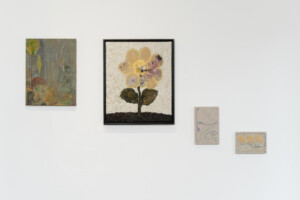
 Oil on Linen, Johannes Seluga, Blume, 2024, Öl auf
Leinen/ Oil on Linen, Chunkook Lee, Dandelion, 2026,
Polymer Clay auf Holzplatte/ Polymer Clay on Wood
Panel, Chunkook Lee, Dandelion (white), 2026,
Polymer Clay auf Holzplatte/ Polymer Clay on Wood
Panel © Villa Schöningen. Foto: Sascha
Herrmann, 2026.
Oil on Linen, Johannes Seluga, Blume, 2024, Öl auf
Leinen/ Oil on Linen, Chunkook Lee, Dandelion, 2026,
Polymer Clay auf Holzplatte/ Polymer Clay on Wood
Panel, Chunkook Lee, Dandelion (white), 2026,
Polymer Clay auf Holzplatte/ Polymer Clay on Wood
Panel © Villa Schöningen. Foto: Sascha
Herrmann, 2026.
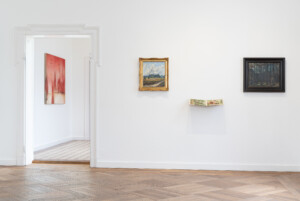
 Tempera auf Jute/ Oil and Tempera on Jute, Hugo
Mühlig, Sommerstimmung, 1910, O�l auf Leinwand/ Oil
on Canvas, Courtesy Udo Kittelmann, Richard Scholz,
Illustration zu einem Text der Gebrüder Grimm, 1920,
Karton, Leinenrücken, Papier, Farblithografien,
Klammerbindung/ Cardboard, Cloth Spine, Paper,
Colour Lithographs, Staple Binding, Max Liebermann,
Liebespaar auf einem Spaziergang im Grunewald,
1920, O�l auf leinenkaschierter Malpappe/ Oil on
Canvas-Mounted Cardboard, Courtesy Döpfner
Collection © Villa Schöningen. Foto: Sascha
Herrmann, 2026.
Tempera auf Jute/ Oil and Tempera on Jute, Hugo
Mühlig, Sommerstimmung, 1910, O�l auf Leinwand/ Oil
on Canvas, Courtesy Udo Kittelmann, Richard Scholz,
Illustration zu einem Text der Gebrüder Grimm, 1920,
Karton, Leinenrücken, Papier, Farblithografien,
Klammerbindung/ Cardboard, Cloth Spine, Paper,
Colour Lithographs, Staple Binding, Max Liebermann,
Liebespaar auf einem Spaziergang im Grunewald,
1920, O�l auf leinenkaschierter Malpappe/ Oil on
Canvas-Mounted Cardboard, Courtesy Döpfner
Collection © Villa Schöningen. Foto: Sascha
Herrmann, 2026.
 Waldsee, Ohne Jahresangabe/ Without Year, Courtesy
Döpfner Collection, Öl auf Holz/ Oil on Wood,
Alexander Iskin, Plaza Root, 2026, Öl auf Leinwand/
Oil on Canvas, Irving Ramó, You Can’t Have What I
Become – Daphne, 2026, Öl auf Leinwand/ Oil on
Canvas © Villa Schöningen. Foto: Sascha
Herrmann, 2026.
Waldsee, Ohne Jahresangabe/ Without Year, Courtesy
Döpfner Collection, Öl auf Holz/ Oil on Wood,
Alexander Iskin, Plaza Root, 2026, Öl auf Leinwand/
Oil on Canvas, Irving Ramó, You Can’t Have What I
Become – Daphne, 2026, Öl auf Leinwand/ Oil on
Canvas © Villa Schöningen. Foto: Sascha
Herrmann, 2026.
 Srijon Chowdhury, Cherry Blossoms, 2025, Öl auf
Leinwand/ Oil on Canvas, Jan Eustachy Wolski,
Untitled, 2026, Öl auf Leinen/ Oil on Linen, Johannes
Seluga, Blume, 2024, Öl auf Leinen/ Oil on Linen,
Chunkook Lee, Dandelion, 2026, Polymer Clay auf
Holzplatte/ Polymer Clay on Wood Panel, Chunkook
Lee, Dandelion (white), 2026, Polymer Clay auf
Holzplatte/ Polymer Clay on Wood Panel ©
Srijon Chowdhury, Cherry Blossoms, 2025, Öl auf
Leinwand/ Oil on Canvas, Jan Eustachy Wolski,
Untitled, 2026, Öl auf Leinen/ Oil on Linen, Johannes
Seluga, Blume, 2024, Öl auf Leinen/ Oil on Linen,
Chunkook Lee, Dandelion, 2026, Polymer Clay auf
Holzplatte/ Polymer Clay on Wood Panel, Chunkook
Lee, Dandelion (white), 2026, Polymer Clay auf
Holzplatte/ Polymer Clay on Wood Panel ©
 einem Metzgerblock aus Altholz/ Aluminum leaf on
found wood butcher block, Jan Eustachy Wolski,
Untitled, 2026, Öl auf Leinen/ Oil on Linen, Johannes
Seluga, Blume, 2024, Öl auf Leinen/ Oil on Linen,
Chunkook Lee, Dandelion, 2026, Polymer Clay auf
Holzplatte/ Polymer Clay on Wood Panel, Chunkook
Lee, Dandelion (white), 2026, Polymer Clay auf
Holzplatte/ Polymer Clay on Wood Panel © Villa
Schöningen. Foto: Sascha Herrmann, 2026.
einem Metzgerblock aus Altholz/ Aluminum leaf on
found wood butcher block, Jan Eustachy Wolski,
Untitled, 2026, Öl auf Leinen/ Oil on Linen, Johannes
Seluga, Blume, 2024, Öl auf Leinen/ Oil on Linen,
Chunkook Lee, Dandelion, 2026, Polymer Clay auf
Holzplatte/ Polymer Clay on Wood Panel, Chunkook
Lee, Dandelion (white), 2026, Polymer Clay auf
Holzplatte/ Polymer Clay on Wood Panel © Villa
Schöningen. Foto: Sascha Herrmann, 2026.
 Öl auf Leinwand/ Oil on Canvas, Alicja Kwade, Parallelwelt
(Ast/Antiast) I, 2010, Holz, Gummi, zweiteilig/ Wood,
Rubber, Two-Parted, Courtesy Boros Collectio
Öl auf Leinwand/ Oil on Canvas, Alicja Kwade, Parallelwelt
(Ast/Antiast) I, 2010, Holz, Gummi, zweiteilig/ Wood,
Rubber, Two-Parted, Courtesy Boros Collectio
 Konrad Weichs, Blattzeit, 2026, Öl auf Leinwand/ Oil on
Canvas © Villa Schöningen. Foto: Sascha Herrmann, 2026.
Konrad Weichs, Blattzeit, 2026, Öl auf Leinwand/ Oil on
Canvas © Villa Schöningen. Foto: Sascha Herrmann, 2026.
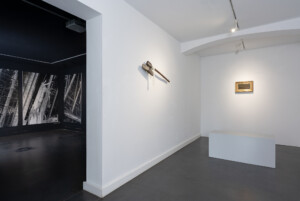
 Oil on Wood Panel, Ilse Salberg, Chene-liège, 1938, Courtesy
Galerie Berinson, Hans Bellmer, Les Jeux de la Poupée, 1936,
Vintage Druck, handkoloriert/ Vintage Print, handcoloured,
Courtesy Galerie Berinson © Villa Schöningen. Foto: Sascha
Herrmann, 2026.
Oil on Wood Panel, Ilse Salberg, Chene-liège, 1938, Courtesy
Galerie Berinson, Hans Bellmer, Les Jeux de la Poupée, 1936,
Vintage Druck, handkoloriert/ Vintage Print, handcoloured,
Courtesy Galerie Berinson © Villa Schöningen. Foto: Sascha
Herrmann, 2026.
 Johannes Seluga, Untitled, 2025, Öl auf Leinen/ Oil on
Linen © Villa Schöningen. Foto: Sascha Herrmann,
2026.
Johannes Seluga, Untitled, 2025, Öl auf Leinen/ Oil on
Linen © Villa Schöningen. Foto: Sascha Herrmann,
2026.
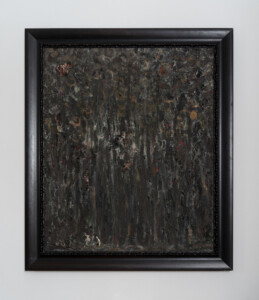
 Tempera auf Jute/ Oil and Tempera on Jute © Villa
Schöningen. Foto: Sascha Herrmann, 2026.
Tempera auf Jute/ Oil and Tempera on Jute © Villa
Schöningen. Foto: Sascha Herrmann, 2026.
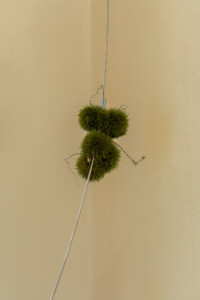
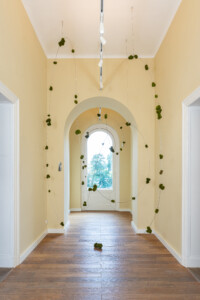
 Lilo Klinkenberg, Was Bleibt, 2026, Edelstahl,
Kastanie, Passionsfruchtranken/ Stainless Steel,
Chestnut, Passion Fruit Tend
Lilo Klinkenberg, Was Bleibt, 2026, Edelstahl,
Kastanie, Passionsfruchtranken/ Stainless Steel,
Chestnut, Passion Fruit Tend
 Kastanie, Passionsfruchtranken/ Stainless Steel,
Lilo Klinkenberg, Was Bleibt, 2026, Edelstahl,
Kastanie, Passionsfruchtranken/ Stainless Steel,
Chestnut, Passion Fruit Tend
Kastanie, Passionsfruchtranken/ Stainless Steel,
Lilo Klinkenberg, Was Bleibt, 2026, Edelstahl,
Kastanie, Passionsfruchtranken/ Stainless Steel,
Chestnut, Passion Fruit Tend
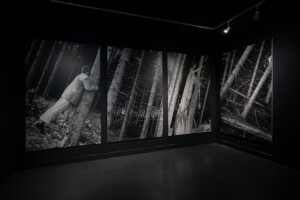
 Anna & Bernhard Blume, Kontakt mit Bäumen
(Contact with Trees) from the series Im Wald (In the
Forest), 1987–1988, Silbergelatineabzüge, auf
Hartschaumplatten montiert, mit UV-Schutzlack
beschichtet/ Silver Gelatin Prints, Mounted on Rigid
Foam Panels, Coated with UV-Protective Varnish,
Dash Snow, Moments Like This Never Last, 2006
Mischtechnik, Mixed Media, Courtesy Contemporary
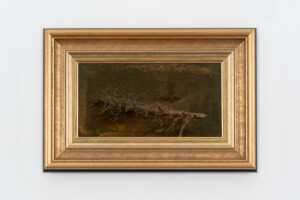
Fine Arts, Carl Spitzweg, Gefallene Wettertanne, 1838,
Öl auf Papier, aufgezogen auf Pappe/ Oil on Paper,
mounted on Cardboard, Courtesy Döpfner Collection
© Villa Schöningen. Foto: Sascha Herrmann, 2026
Anna & Bernhard Blume, Kontakt mit Bäumen
(Contact with Trees) from the series Im Wald (In the
Forest), 1987–1988, Silbergelatineabzüge, auf
Hartschaumplatten montiert, mit UV-Schutzlack
beschichtet/ Silver Gelatin Prints, Mounted on Rigid
Foam Panels, Coated with UV-Protective Varnish,
Dash Snow, Moments Like This Never Last, 2006
Mischtechnik, Mixed Media, Courtesy Contemporary
Fine Arts, Carl Spitzweg, Gefallene Wettertanne, 1838,
Öl auf Papier, aufgezogen auf Pappe/ Oil on Paper,
mounted on Cardboard, Courtesy Döpfner Collection
© Villa Schöningen. Foto: Sascha Herrmann, 2026
 Anna & Bernhard Blume, Kontakt mit Bäumen
(Contact with Trees) from the series Im Wald (In the
Forest), 1987–1988, Silbergelatineabzüge, auf
Hartschaumplatten montiert, mit UV-Schutzlack
beschichtet/ Silver Gelatin Prints, Mounted on Rigid
Foam Panels, Coated with UV-Protective Varnish ©
Anna & Bernhard Blume, Kontakt mit Bäumen
(Contact with Trees) from the series Im Wald (In the
Forest), 1987–1988, Silbergelatineabzüge, auf
Hartschaumplatten montiert, mit UV-Schutzlack
beschichtet/ Silver Gelatin Prints, Mounted on Rigid
Foam Panels, Coated with UV-Protective Varnish ©
 Dash Snow, Moments Like This Never Last, 2006
Mischtechnik, Mixed Media, Courtesy Contemporary
Fine Arts, Carl Spitzweg, Gefallene Wettertanne,
1838, Öl auf Papier, aufgezogen auf Pappe/ Oil on
Paper, mounted on Cardboard, Courtesy Döpfner
Collection © Villa Sch
Dash Snow, Moments Like This Never Last, 2006
Mischtechnik, Mixed Media, Courtesy Contemporary
Fine Arts, Carl Spitzweg, Gefallene Wettertanne,
1838, Öl auf Papier, aufgezogen auf Pappe/ Oil on
Paper, mounted on Cardboard, Courtesy Döpfner
Collection © Villa Sch
 Carl Spitzweg, Gefallene Wettertanne, 1838, Öl auf
Papier, aufgezogen auf Pappe/ Oil on Paper,
mounted on Cardboard, Courtesy Döpfner Collectio
Carl Spitzweg, Gefallene Wettertanne, 1838, Öl auf
Papier, aufgezogen auf Pappe/ Oil on Paper,
mounted on Cardboard, Courtesy Döpfner Collectio