Nude
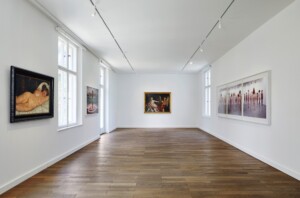
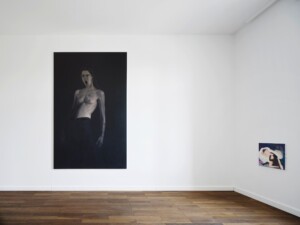
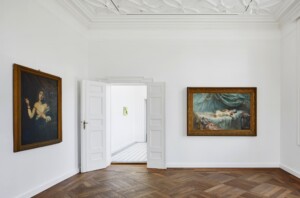
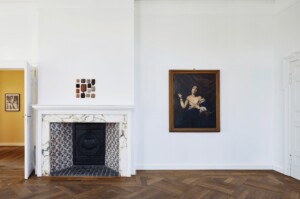
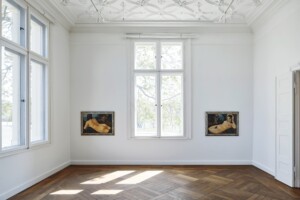
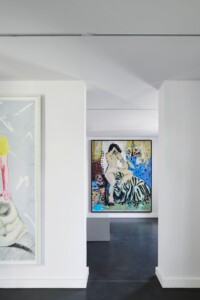
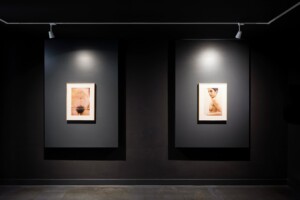
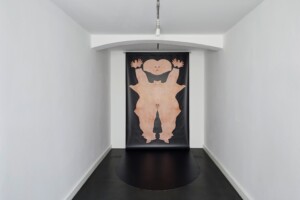
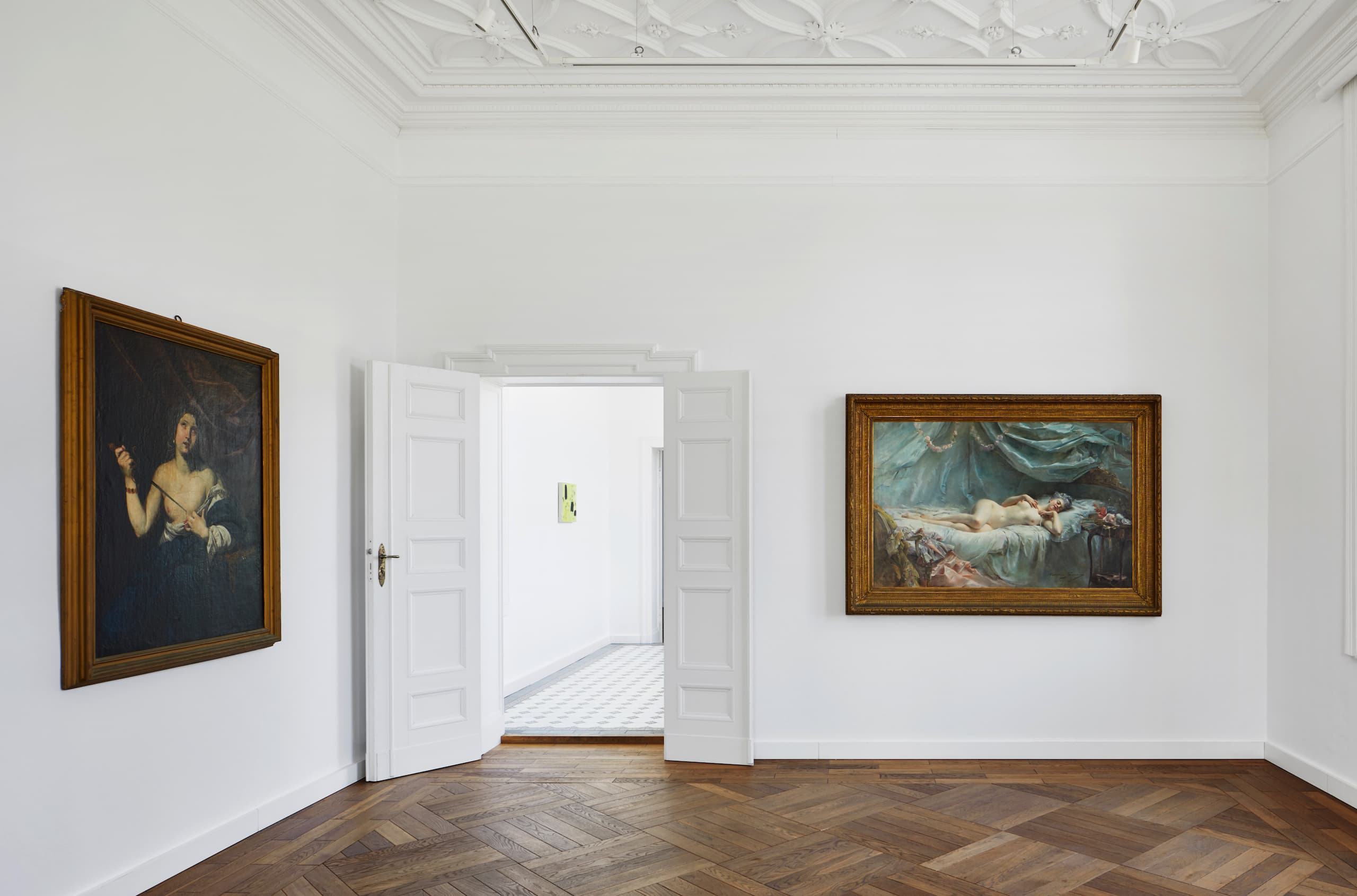
The Villa Schöningen’s current exhibition “Nude – Female bodies by female artists” presents the female body from the perspective of female artists spanning five centuries. The female nude, alongside landscapes, portraits, and religious themes, is one of the most frequently depicted subjects in art history. From the Venus of Willendorf 25,000 years ago to contemporary performances and video installations, the naked body has fascinated artists across centuries. The handling of nudity and eros has repeatedly been an exploration of taboos and a fascinating indicator of the zeitgeist. Like a sensor of a society or era’s attitude toward freedom, nudes have shaped art history: they have been portrayed with restraint, shyness, idealization, sexualization, politicization, violence, tenderness, ugliness, or disturbance. Whether it’s Goya’s “Maja,” Manet’s “Olympia,” Courbet’s “L’Origine du Monde,” or Picasso’s “Les Demoiselles d’Avignon,” nudes have repeatedly provoked art scandals and explored stylistic innovations.
Titled “Nude – Female Bodies By Female Artists,” the exhibition at Villa Schöningen in Potsdam, running from May 4th to October 1st, 2019, exclusively showcases representations of the female body created by female artists. It encompasses nearly all forms of sculpture, drawing, painting, photography, and video. The central question posed is whether there exists something like a specifically female perspective on the nude body. Or whether such stereotyping influences viewing patterns in the feminist context that do not hold up to an unbiased examination beyond gender stereotypes.
 © Villa Schöningen, Foto: Noshe
 © Villa Schöningen, Foto: Noshe
 © Villa Schöningen, Foto: Noshe
 © Villa Schöningen, Foto: Noshe
 © Villa Schöningen, Foto: Noshe
 © Villa Schöningen, Foto: Noshe
 © Villa Schöningen, Foto: Noshe
 © Villa Schöningen, Foto: Noshe
 © Villa Schöningen, Foto: Noshe