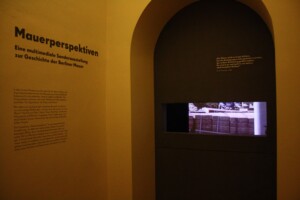
Mauerperspektiven
The Berlin Wall
For twenty-eight years, two months, and twenty-eight days, the “Anti-Fascist Protection Rampart,” as the GDR officially called the Berlin Wall, was a brutal reality. It cut through an entire city, ran through buildings, interrupted roads, waterways, and rail traffic, tore friends and families apart, and destroyed hopes – and lives.
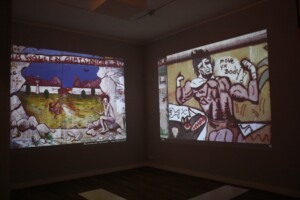
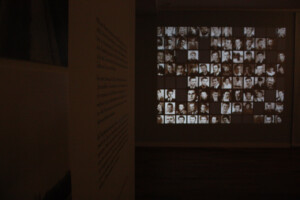
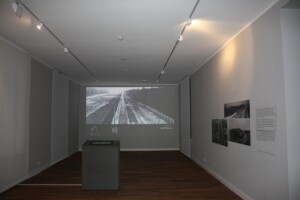
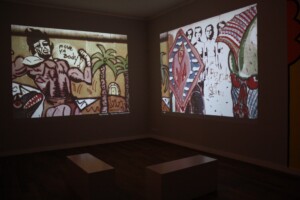
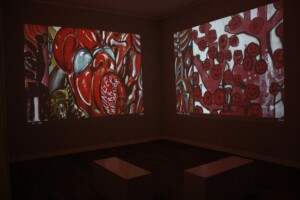
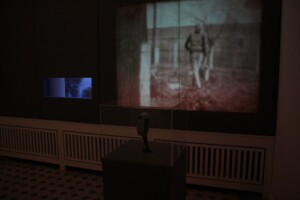
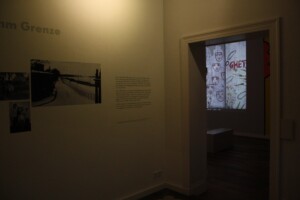
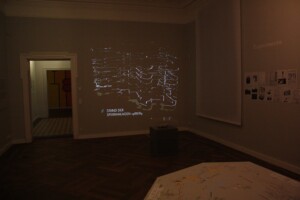
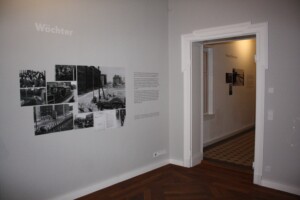
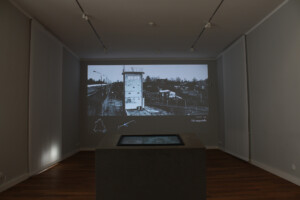
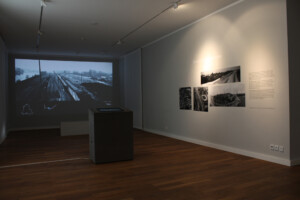
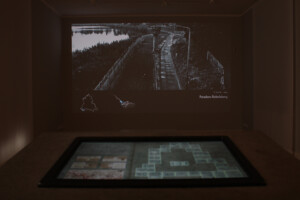
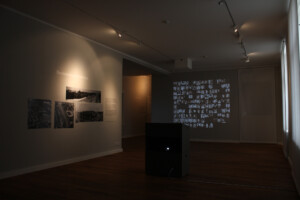
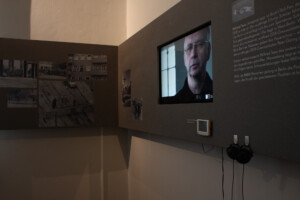
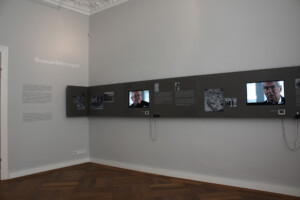
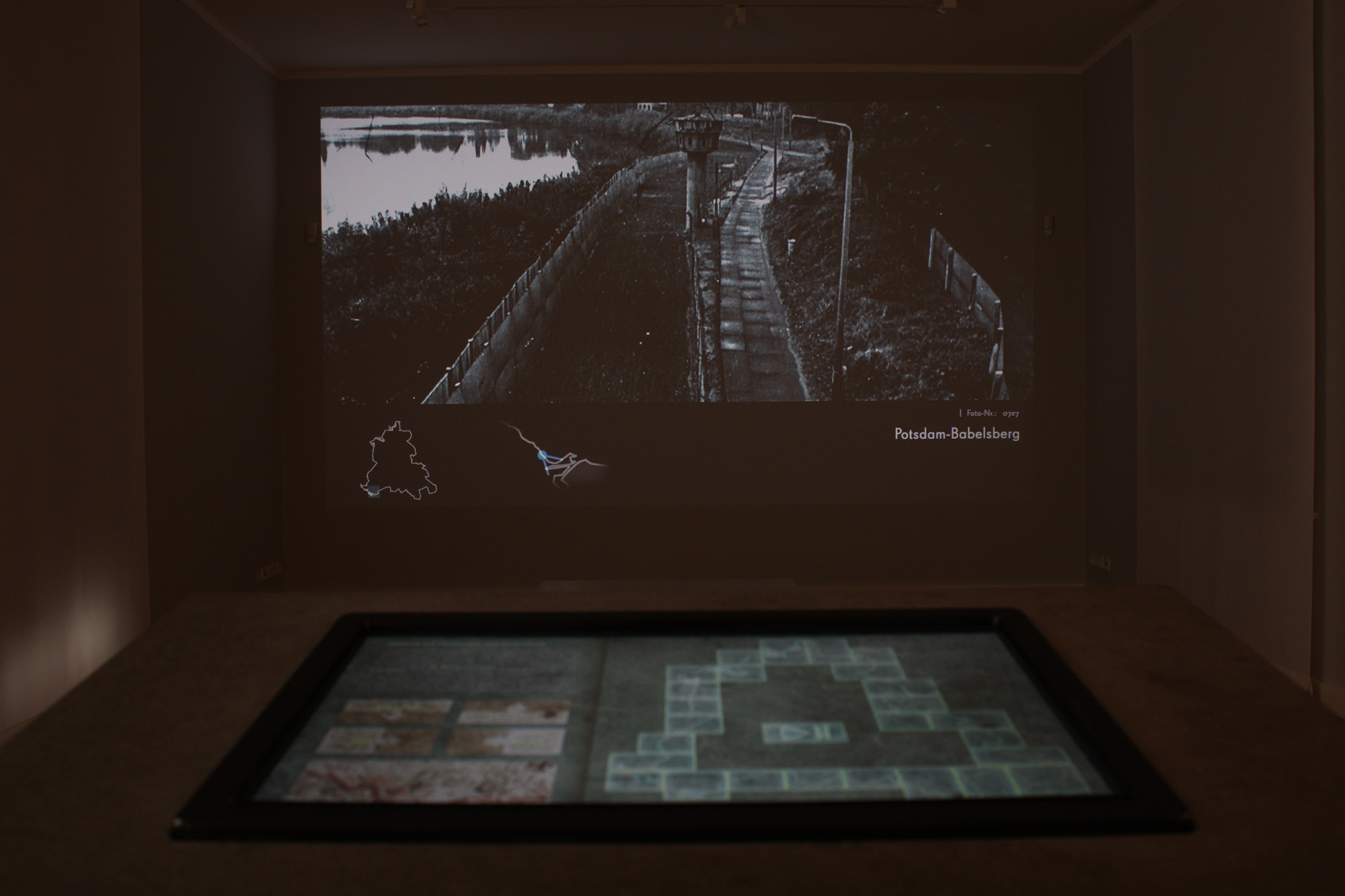
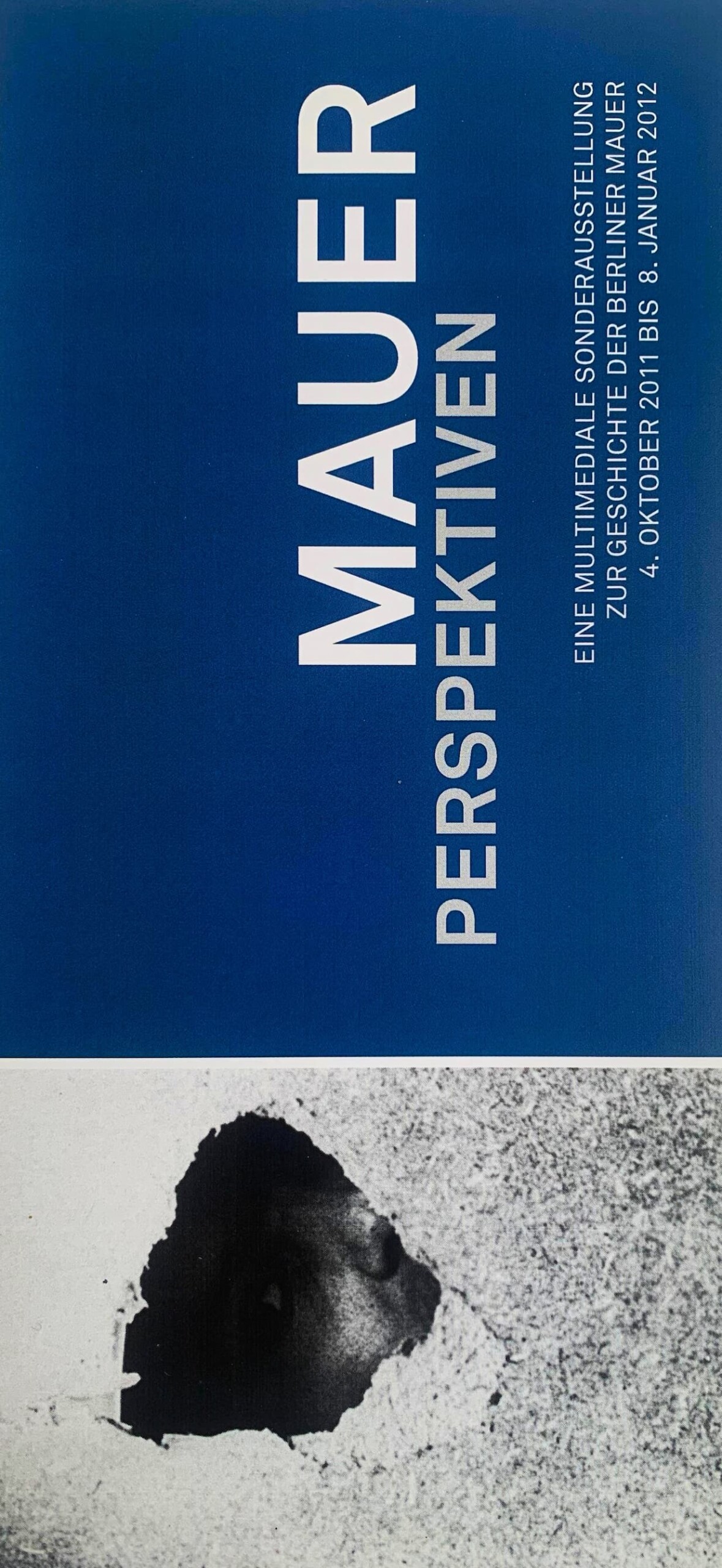
The exhibition “Mauerperspektiven” (Wall Perspectives) is a fragmentary approach to the history of the Berlin Wall, primarily using multimedia. It offers special views that were only possible for a select few during the concrete wall era, sometimes only for a very small number of people. Views, perspectives, and bird’s-eye views – a constant return to the same place to make the now largely vanished, almost unimaginable past more tangible in many of its facets and dimensions.
The multimedia implementation enables immediate, emotional access to the topic, which is designed for a very broad audience through modern exhibition communication. Especially for younger generations who did not directly experience the Cold War and the division of Germany, “Mauerperspektiven” offers ways and incentives to engage more deeply, or for the first time, with this historical period, which, although not so long ago, seems very distant to many.
Another distinctive feature is the modular nature of the exhibition – each perspective stands alone, but several can be combined and expanded to form a larger whole. The digital content can be presented and integrated almost anywhere, in a wide variety of forms. This opens up diverse and unique opportunities to show the exhibition in its entirety or in parts, temporarily or permanently, in Germany or worldwide.
Jürgen und Daniel Ast
 © astfilm
 © astfilm
 © astfilm
 © astfilm
 © astfilm
 © astfilm
 © astfilm
 © astfilm
 © astfilm
 © astfilm
 © astfilm
 © astfilm
 © astfilm
 © astfilm
 © astfilm
 © astfilm
 © astfilm
 © astfilm
 © astfilm
 © astfilm